Cross-Disciplinary Science in the AGI Era
How AGI lowers the cost of crossing fields and what that means for the structure of science.
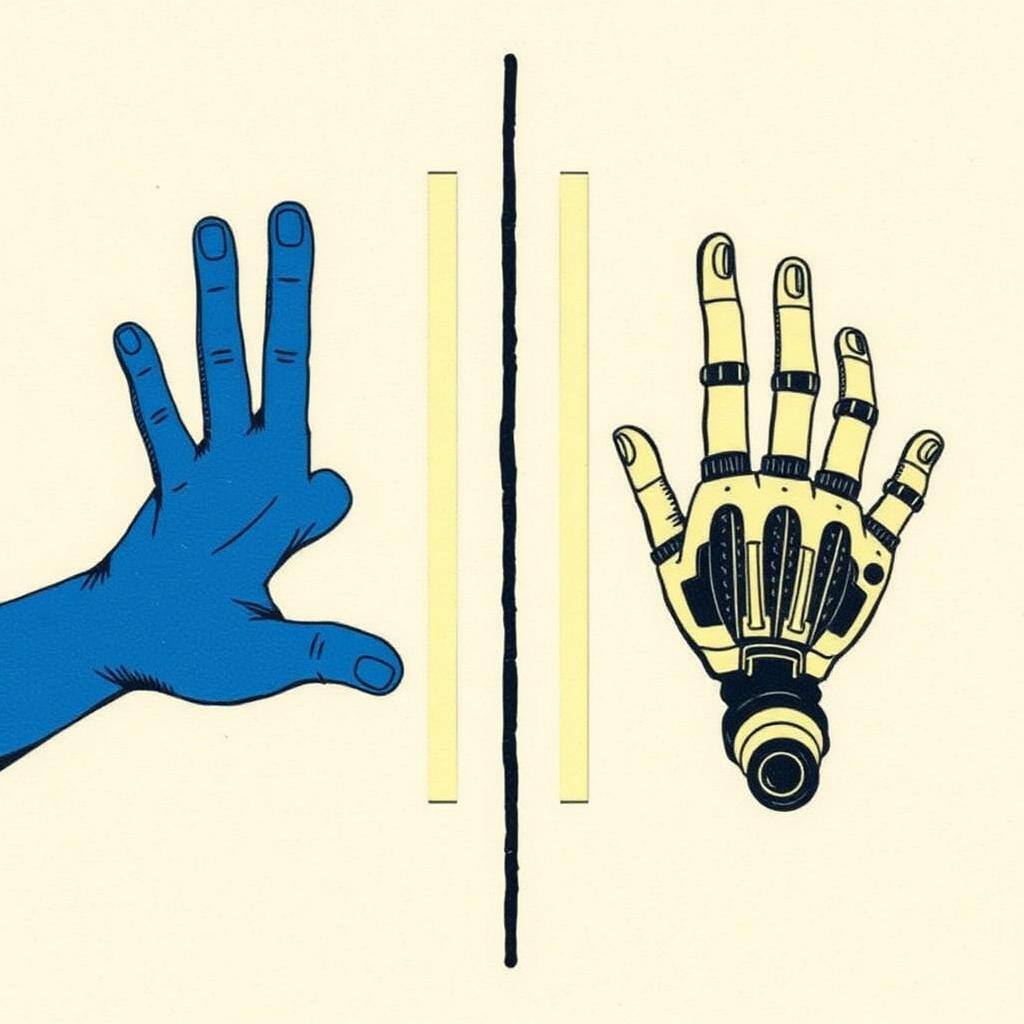
Executive summary
Cross-disciplinary work has always been difficult because each field has its own vocabulary, tools, and norms. AGI-class systems lower the cost of crossing fields — translating, summarising, and explaining — and make it easier for individual researchers to work across domains.
Key concepts
- Field-crossing cost
- Translation and synthesis
- New cross-field categories
- Institutional adaptation
- Cultural change
Why field-crossing was hard
Vocabulary, tools, norms, and tacit knowledge differ between fields. Crossing required years of effort and risked being neither here nor there.
What changes
AI translates between fields, summarises canonical works, and accelerates ramp-up. Individual researchers can be productive in adjacent fields faster.
New categories
AI-led work in biology-and-materials, climate-and-economics, and physics-and-machine-learning is producing genuine new sub-fields.
Institutional change
Universities and funders are slowly adapting to support cross-disciplinary work. Cultural change lags institutional change.
Key takeaways
- 01Crossing fields is structurally cheaper.
- 02New cross-field categories are emerging.
- 03Institutional adaptation is lagging.
- 04Cultural change is the slowest layer.
Frequently asked questions
Should I learn an adjacent field?
Increasingly easy and increasingly worthwhile. Adjacent-field literacy compounds with your home-field expertise.
Are universities adapting?
Some are. The pace of institutional adaptation is uneven and generally slower than the rate of capability change.
Further reading
Related hubs
How AGI is accelerating materials, biology, physics, and cross-disciplinary work — and what that means for the next decade of discovery.
How generative design, self-driving labs, and AI-led screening are accelerating discovery in materials and chemistry.
How AlphaFold, generative biology, and AI-led research are reshaping molecular biology, synthetic biology, and biomedicine.