AI-Augmented Art: New Tools, New Workflows, New Capabilities
How working artists, illustrators, and designers are integrating AI into studios and what changes in the work, the craft, and the output.
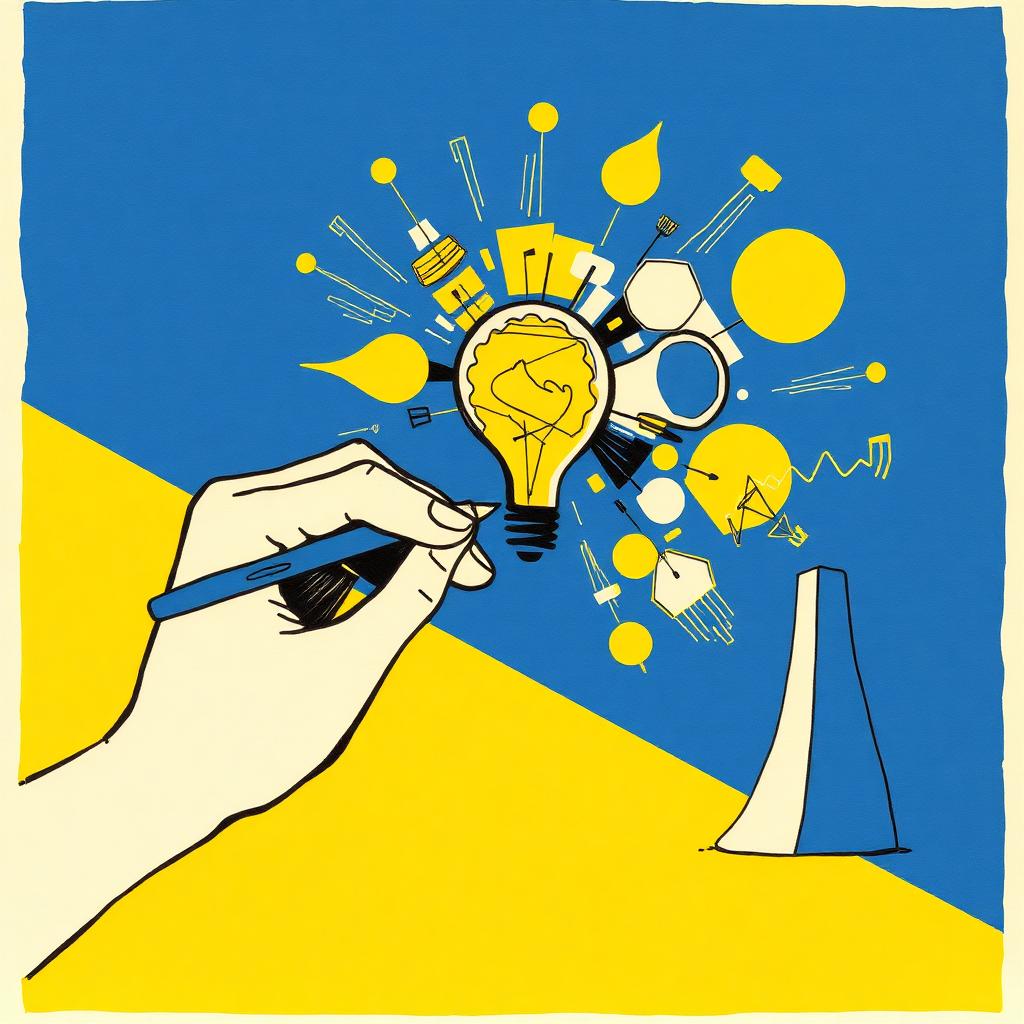
Executive summary
Working artists, designers, and illustrators are integrating AI into their studios at speed. The pattern is augmentation, not replacement: AI handles iteration, variations, and routine production while the artist directs, refines, and finishes. The strongest work fuses AI capability with distinctive voice.
Key concepts
- Studio integration
- Iteration and variation
- Reference and inspiration
- Final-mile craft
- Voice and signature
Studio workflows
Most studios integrating AI use it for early-stage iteration, variations, reference-finding, and routine production. Final composition, finish, and voice remain human-led.
Where AI is genuinely better
Speed of variation, breadth of stylistic exploration, and rough composition. Used well, this expands what a small studio can ship.
Where it is weaker
Distinctive voice, original conceptual direction, and the final-mile craft that makes work feel resolved.
Practical posture
Use AI heavily for iteration and exploration; invest the saved time in concept, direction, and finish. Treat your distinctive voice as the asset.
Key takeaways
- 01AI in studios is augmentation, not replacement.
- 02Iteration and exploration are the strongest AI gains.
- 03Voice, direction, and finish remain human-led.
- 04Distinctive voice is the durable asset.
Frequently asked questions
Should illustrators learn AI tools?
Yes, the same way prior generations learned digital tools. Avoiding them is now a competitive disadvantage.
What about commercial clients?
Most commercial clients accept AI-augmented studios as long as quality and rights are clear.
Further reading
Related hubs
How AGI is reshaping art, authorship, originality, and creative economies — and why human creative direction becomes more valuable, not less.
What it means to be an author when a model can generate competent prose, code, or music. The legal, ethical, and practical answer.
What 'original' means when models are trained on enormous corpora of prior work, and how provenance systems are emerging in response.